

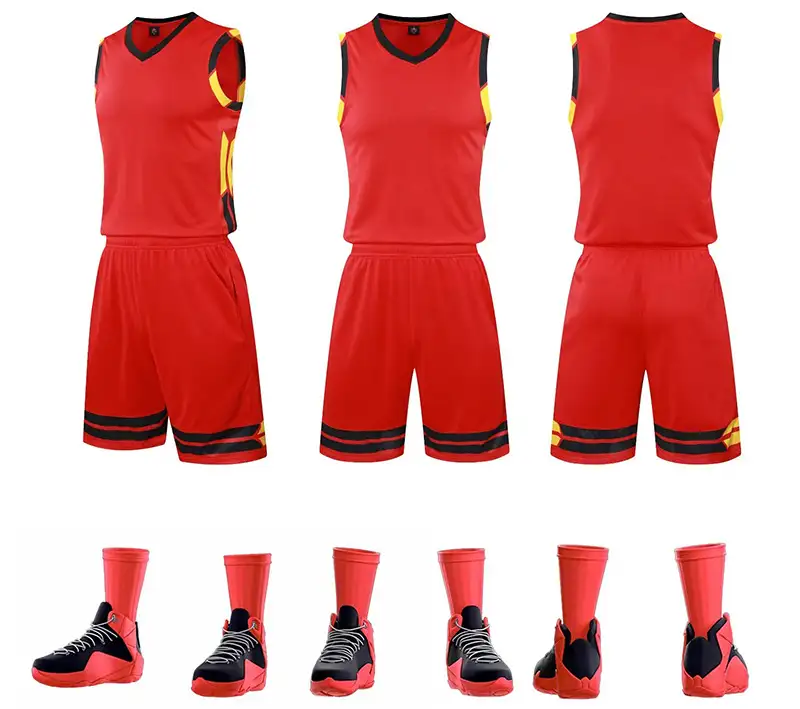
NBA jerseys are more than just sportswear apparel, they are cultural symbols, representing the evolution of basketball, player identities, and fan loyalty. From the early days of the league to the modern days, NBA jerseys have gone through significant transformations.
In this article, we will explore the history of NBA jerseys, focusing on their design evolution, notable players, and jerseys like LeBron James, Kobe Bryant Lakers Jersey #24, and Michael Jordan Chicago Bulls #23 Jersey.
Whether you are an NBA enthusiast, a jersey collector, or simply curious about the story behind these basketball jerseys and sportswear apparel, you are in the right place.
Section #1 The History of NBA Jerseys: A Timeline of Style, Innovation, and Culture.
1.1 The Beginnings: Early NBA Jerseys (1940s-1960s)
When the NBA (then known as the Basketball Association of America) first began in the 1940s, jerseys were simple, functional garments.
Early NBA jerseys were made from cotton or wool, materials common at the time, and had basic designs. Team names or city names were displayed on the front, with no player personal details.
Key Features of Early NBA Jerseys:
- Material: Wool or cotton (not designed for performance).
- Design: Basic team names, simple block fonts.
- Colors: Minimal color palettes, usually white or dark colors for home and away games.
During the 1950s, as NBA teams began to develop typical color schemes for basketball jerseys, jersey designs became more important due to the growing visibility of television broadcasts.
For example, the Boston Celtics’ Green Jersey became synonymous with the team’s dominance in the 1950s.
1.2 The 1970s: The Introduction of Bold Designs
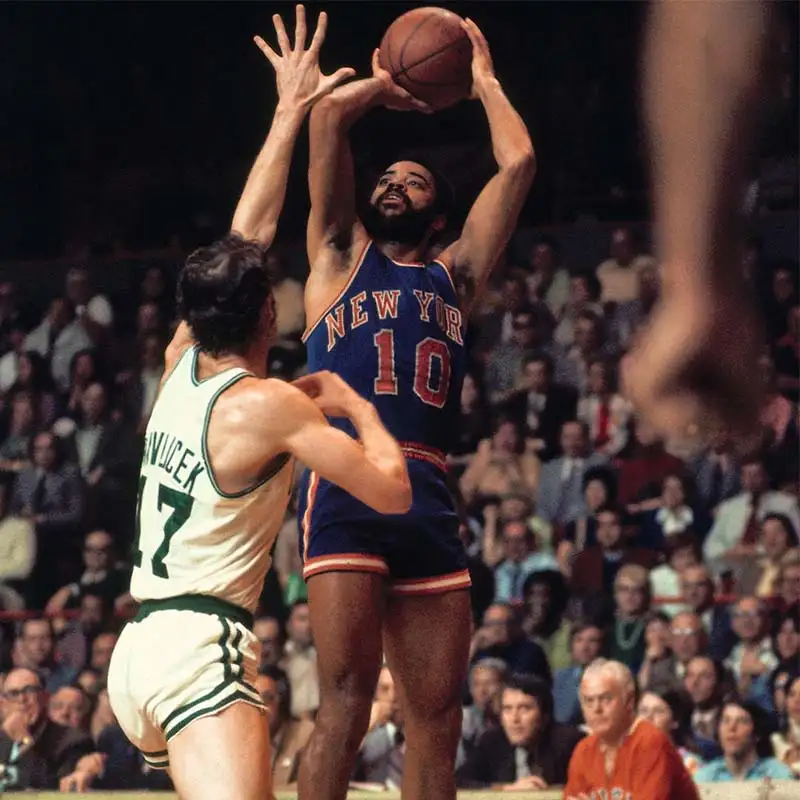
By the 1970s, NBA jerseys began to reflect the growing popularity of basketball sports. Basketball teams like the Los Angeles Lakers, New York Knicks, and Boston Celtics adopted more vibrant colors and specific designs for their teams, which became a way to express their identity.
Key Design Changes of Basketball Jerseys:
- Bold Team Logos: The incorporation of larger team logos set teams apart visually. The Lakers Purple and Gold Jersey and the Knicks’ Orange and Blue Jersey are prime examples.
- Increased Color Variety: Brighter colors like yellow, red, and blue became more prominent.
- Material Advances: Jerseys switched to synthetic fabrics like polyester, offering better breathability and comfort during basketball games.
In the 1970s, the Philadelphia 76ers’ Red and Blue Jersey and the Milwaukee Bucks’ Green Jersey introduced more dynamic designs that would carry forward into the 1980s.
1.3 The 1980s: The Golden Period of NBA Jerseys
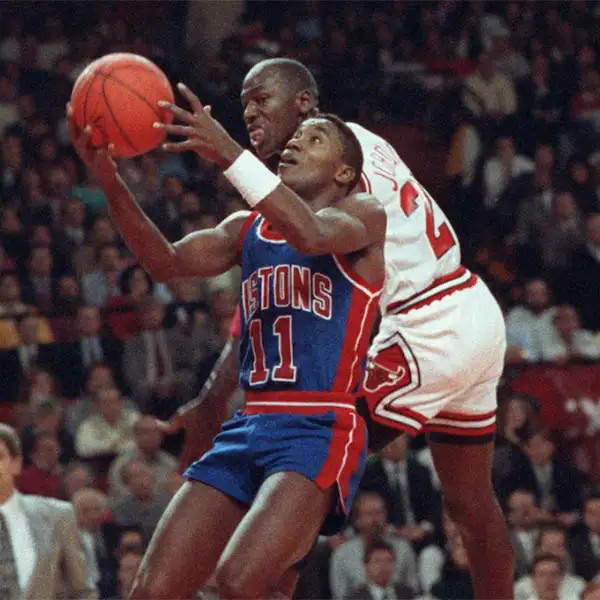
The 1980s were a revolutionary time for NBA jersey design. This period saw legendary players like Magic Johnson, Larry Bird, Michael Jordan, and Kareem Abdul-Jabbar rise to prominence. Jerseys became even more player-focused, with names on the back and innovative designs.
Key Features of 1980s NBA Jerseys:
- Player Names and Numbers: For the first time, NBA jerseys began to feature the player last name on the back, making it easier to identify players like Magic Johnson or Larry Bird.
- Nike and Adidas Involvement: As brands like Nike and Adidas started to collaborate with the NBA, jerseys became more comfortable and durable, incorporating modern fabrics.
- Cultural Influence: The 1980s saw basketball intersecting with hip-hop culture, with jerseys like the Lakers’ Magic Johnson Jersey or Boston Celtics’ Larry Bird Jersey becoming part of street fashion.
1.4 The 1990s: The Period of Iconic Jerseys
The 1990s were perhaps the most transformative decade in NBA jersey history.
The globalization of basketball, thanks to players like Michael Jordan, Shaquille O’Neal, and Kobe Bryant, helped NBA jerseys become more iconic than ever.
Key Features of 1990s NBA Jerseys:
- Bold Graphics and Patterns: Jerseys from this Period featured aggressive patterns and flashy colors. For instance, the Charlotte Hornets’ Teal Jersey or the Chicago Bulls’ 1996 Jersey with its unique patterns became staples.
- Introduction of “Away” Jerseys: Teams adopted different colors for home and away games, adding to the visual appeal. The Chicago Bulls 1997 Road Jersey and the New York Knicks’ Away Jersey were fan favorites.
- Player-Endorsed Jerseys: Jerseys associated with stars like Michael Jordan’s #23 Chicago Bulls Jersey and Shaquille O’Neal’s #32 Orlando Magic Jersey became hot sellers, endorsed by Nike and Reebok.
1.5 The 2000s: Technological Advances in NBA Jerseys
The 2000s saw major technological innovations in NBA basketball jerseys. The sport became more competitive, and players required jerseys that were lighter, more breathable, and designed for high performance. Jersey companies like Adidas and Nike worked closely with the league to produce jerseys that met these needs.
Key Features of 2000s NBA Jerseys:
- Performance Fabrics: The introduction of moisture-wicking fabrics made jerseys like the LeBron James 2003 Cleveland Cavaliers Jersey and Kobe Bryant 2009 Lakers Jersey more comfortable and functional.
- Fit and Comfort: Jerseys transitioned from baggy fits to a more streamlined design, as seen in the 2008 Celtics Ray Allen Jersey or Miami Heat Dwyane Wade Jersey.
- Tech-Driven Design: Advances in fabric technology improved durability and comfort, which were essential for star players like Kobe Bryant and Tim Duncan during the intense games of the 2000s.
1.6 The 2010s and Beyond: Nike’s Innovation and Modern Jersey Styles
In 2017, Nike became the official manufacturer of NBA basketball jerseys, bringing a new level of performance and style.
The brand’s use of advanced materials and sustainable practices marked a new period for NBA basketball jerseys, offering a fashion look both on and off the court.
Key Features of Modern NBA Jerseys:
Sustainable Materials: Nike’s use of recycled polyester for jerseys like the 2021 LeBron James Lakers Jersey signaled the NBA’s commitment to sustainability.
Statement Jerseys: Teams introduced alternate, city edition, and special event jerseys, with designs like the Brooklyn Nets City Edition Jersey and Golden State Warriors ‘The Town’ Jersey standing out.
Increased Globalization: As the NBA grew internationally, jerseys became a symbol of global fandom. Fans from across the world now wear sports jerseys such as the Giannis Antetokounmpo 2021 Bucks Jersey or the Stephen Curry Warriors Jersey.
Certain jerseys have transcended their functional role as sportswear and become part of the broader cultural landscape. Jerseys worn by legends like Michael Jordan, Kobe Bryant, and LeBron James have become iconic symbols, not only the players themselves but also the NBA lasting influence on society.
Notable NBA Basketball Jerseys:
- Michael Jordan’s #23 Chicago Bulls Jersey: Arguably the most iconic NBA jersey of all time, representing Jordan’s six championships and dominance in the 1990s.
- Kobe Bryant’s #24 Lakers Jersey: A tribute to Kobe’s illustrious career with the Los Angeles Lakers, embodying his legacy and impact on the game.
- LeBron James’ #23 Cleveland Cavaliers Jersey (2016): Worn during his return to Cleveland and the team’s 2016 NBA Championship win, this jersey is a symbol of LeBron’s greatness and resilience.
The history of NBA jerseys reflects the growth and evolution of the sport. From the basic designs of the 1940s to the high-tech, eco-friendly jerseys of today, NBA jerseys have become a reflection of basketball’s impact on culture and fashion.
Whether you are a LeBron James fan looking for his latest 2024 Lakers Jersey or a Kobe Bryant enthusiast seeking a #24 Lakers Jersey, these basketball jerseys continue to celebrate the legacies of the greatest athletes in basketball history. There are many remarkable basketball jerseys in NBA history, please refer to this page to learn more about The Top 10 Best NBA Basketball Jerseys of All Time.
Section #2 Who Designs NBA Jerseys? A Look at the Creators Behind the Basketball Jersey Designs.
NBA basketball jerseys are not just uniforms, they are a huge part of NBA basketball culture and a symbol of NBA, Teams, and Players. Think of markable jerseys like LeBron James’ 2024 Lakers Jersey or Michael Jordan’ Bulls Jersey.
These jerseys have become more than just something players wear; they have become cultural symbols. But who designs these NBA basketball jerseys? How do they come to life? Let’s take a look at the brands and designers behind the NBA jerseys we know and love.
2.1 The Role of Major Brands in NBA Jersey Design
When it comes to designing NBA basketball jerseys, big sportswear companies play a huge role. Right now, Nike is the main brand behind NBA basketball jerseys, but that was not always the case. Before Nike, Adidas and Mitchell & Ness helped shape the jerseys we see today.
Nike Influence on Modern NBA Jerseys
Since 2017, Nike has been the official maker of NBA basketball jerseys, taking over from Adidas. Nike has changed the game by adding new tech and stylish designs to jerseys like the Miami Heat basketball jersey and North Carolina basketball jersey.
What Nike Brings to the Table:
- Vaporknit Technology: Since 2017, Nike Vaporknit tech has been used to make jerseys lighter and more breathable. The James Harden 2022 Brooklyn Nets Jersey is a great example of how this tech helps players stay comfortable on the court.
- City Edition Jerseys: Nike City Edition Jerseys like the 2023 Chicago Bulls City Jersey and 2023 Miami Heat City Jersey celebrate each city’s unique culture. These jerseys are limited edition and often blend art, fashion, and sports.
- Eco-Friendly Materials: Nike has also started using recycled materials in their jerseys, like the LeBron James 2022 Lakers Jersey. This is part of their push to create more sustainable sportswear.
Adidas: The Former Jersey Designer
Before Nike took over, Adidas made NBA jerseys from 2006 to 2017. Adidas was responsible for a lot of changes, like making jerseys lighter and more breathable, which helped players perform better.
Adidas Innovations:
ClimaCool Technology: Adidas used their ClimaCool tech in jerseys like the Kobe Bryant 2014 Lakers Jersey to keep players cool and dry during tough games.
Customizable Designs: Adidas allowed teams and players more control over how their jerseys looked. For example, Derrick Rose’s 2010 Chicago Bulls Jersey had a unique font and design elements chosen by Rose himself.
Mitchell & Ness: The Retro Jersey Experts
If you are a fan of classic basketball, Mitchell & Ness is the brand to know. They specialize in retro jerseys, recreating the iconic looks worn by legends like Michael Jordan and Larry Bird. They don’t make current jerseys, but they’re the go-to for throwback styles.
What Mitchell & Ness Does:
- Classic Jerseys: From the 1997 Michael Jordan Bulls Jersey to the 1984 Larry Bird Celtics Jersey, Mitchell & Ness is known for its authentic retro designs.
- Accuracy and Nostalgia: They focus on making sure these vintage jerseys are as close to the original as possible, which makes them perfect for collectors.
2.2 Who Are the Designers Behind NBA Jerseys?
While big brands like Nike and Adidas make the jerseys, there is a team of designers behind every look. These designers work with the NBA, the teams, and even players to create jerseys that fit the players’ needs while still looking good on and off the court.
Nike Design Team
Nike has a talented group of designers who specialize in everything from sports technology to fashion. They work closely with players to make sure their basketball jerseys are not just functional but also represent their personal style.
- Working with Players: Superstars like LeBron James and Kobe Bryant have helped design their own jerseys. LeBron’s 2024 Lakers Jersey is a great example of how his personal style influences the final design.
Designing an NBA jersey is about more than just looking good – it’s about performance, team identity, and even the player personality.
Here is how it all comes together.
1. Performance First
When designing NBA basketball jerseys, the focus is always on how the jersey helps the player perform. Here is what goes into making sure they work on the court:
- Breathability: Jerseys like the Stephen Curry 2023 Warriors Jersey and Kevin Durant 2022 Nets Jersey are made with lightweight fabrics that keep players cool and dry.
- Comfort and Fit: Modern jerseys, like the Giannis Antetokounmpo 2021 Bucks Jersey, are designed to fit closely to the body, making sure players can move easily without restriction.
- Durability: Jerseys are built to last through rough games. The 2024 LeBron James Lakers Jersey is made with materials that can handle the wear and tear of an entire season.
2. Team Identity
Each NBA team has its own style, and that’s reflected in their jerseys. Designers make sure each jersey represents the team’s city, culture, and fans.
For example, the Brooklyn Nets 2023 City Jersey and 2024 Chicago Bulls Jersey have designs that reflect the spirit of their respective teams and cities.
3. Player Input
Players like LeBron James and Kobe Bryant have a big influence on the design of their jerseys. LeBron’s 2024 Lakers Jersey, for example, includes his personal brand elements, from colors to fabrics.
- Kobe Bryant’s Influence: Kobe’s jerseys, like his #24 Lakers Jersey, had a sleek, aggressive design that matched his playing style and “Black Mamba” personal.
4. Special Edition Jerseys
Sometimes, teams wear special jerseys for events like the NBA All-Star Game or the Finals. These jerseys usually have unique designs to celebrate important moments in the season, like the 2024 NBA All-Star Game Jersey or the 2023 NBA Finals Warriors Jersey.
2.3 How Fashion Trends Influence NBA Jersey Design
As basketball has become a global sport, NBA basketball jerseys have started to influence fashion too. Players like Allen Iverson and Shaquille O’Neal were known for wearing their jerseys off the court, helping turn them into fashion statements.
- Streetwear Influence: In the 1990s, NBA basketball jerseys became a huge part of streetwear, with players like Shaquille O’Neal and Allen Iverson making their jerseys a key part of everyday fashion. Today, jerseys like the Ja Morant 2023 Grizzlies Jersey are worn both at games and on the streets.
- Celebrity Collaborations: Many celebrities and designers, like Kanye West or Virgil Abloh, have collaborated with brands like Nike to create limited edition NBA jerseys. These jerseys mix high fashion with sports, making them even more desirable.
Designing an NBA jersey is an effort of a whole team. It involves designers, brands, and even players themselves. From performance-driven jerseys like the LeBron James 2024 Lakers Jersey to retro classics like the Michael Jordan 1997 Bulls Jersey,
NBA jerseys are a blend of sport, culture, and fashion. Whether you are a collector or just a fan of the game, understanding the design process behind these basketball jerseys gives you a deeper appreciation for both the design and the athletes who wear them.
If you would like to learn more about the top USA jersey suppliers, please refer to this page to learn more about List of Top 10 USA Custom Basketball Jersey Maker and Suppliers 2025
Section #3 Who Makes NBA Jerseys? A Look at the Basketball Jersey Makers Behind the Sportswear Apparel.
NBA basketball jerseys are more than just uniforms, they are part of the basketball culture. NBA jerseys have become a symbol of basketball fandom. But who makes these jerseys? From the brands to the materials, the process behind creating NBA jerseys is a mix of style, technology, and innovation.
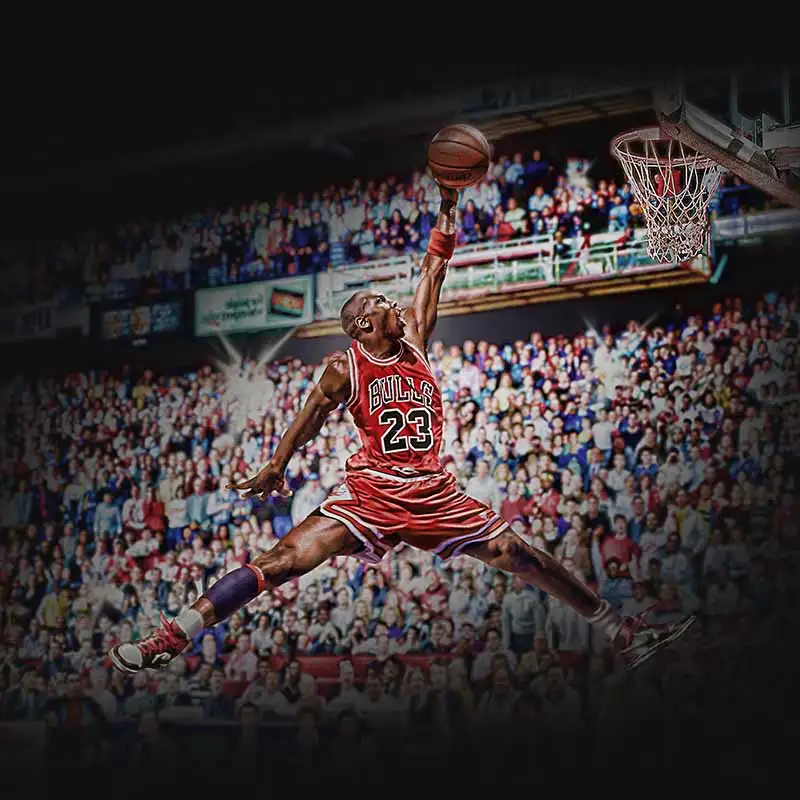
Let us take a closer look at the basketball jersey makers that make NBA jerseys, how they are made, and how the industry is evolving.
3.1 The Main Manufacturers of NBA Basketball Jerseys
When it comes to NBA jerseys, there are a few large basketball jersey makers that stand out. These brands make everything from jerseys to bball accessories for players. Here is a look at the key players.
1. Nike: The Official Manufacturer
Since 2017, Nike has been the official supplier of NBA jerseys, replacing Adidas. Their partnership with the NBA has brought a lot of changes, especially in terms of design, technology, and sustainability. Nike uses advanced fabric technology to create jerseys that not only look great but also perform well on the court.
Nike works closely with the NBA to make sure every basketball jersey meets high standards for both performance and style.
Nike’s Impact on NBA Jerseys:
Vaporknit Technology: Nike introduced Vaporknit fabric, which is super light, breathable, and moisture-wicking. It’s the fabric used in jerseys like LeBron James 2024 Lakers Jersey and Kevin Durant 2022 Nets Jersey to help players stay cool and perform their best during competitions.
Sustainability: Nike focuses on sustainability by using recycled materials in jerseys like the Giannis Antetokounmpo 2023 Bucks Jersey, which helps reduce waste and makes the process more eco-friendly.
Customization Options: Fans can easily personalize jerseys like the 2023 Curry Warriors Jersey with names, numbers, and patches. It’s a big hit for collectors and fans who want a unique jersey.
2. Adidas: The Previous Manufacturer
Before Nike took over in 2017, Adidas was the official NBA jersey supplier from 2006 to 2017. They played a key role in changing the materials and designs used for NBA jerseys during their time in charge.
Although Adidas no longer makes NBA jerseys, their innovations in fabric design helped pave the way for what Nike does today.
Adidas’ Contributions:
- ClimaCool Technology: Adidas introduced ClimaCool technology in jerseys like the Derrick Rose 2012 Chicago Bulls Jersey. This fabric keeps players cool and dry with mesh panels that allow better airflow.
- Revolution 30 Jerseys: In 2009, Adidas launched the Revolution 30 jersey, which was 30% lighter than previous models and made from recycled polyester, setting the stage for more sustainable jersey production.
3. Mitchell & Ness: The Retro Jersey Makers
Mitchell & Ness doesn’t make current NBA player jerseys, but they are known for creating throwback jerseys. These retro jerseys, like the Michael Jordan 1997 Bulls Jersey or Magic Johnson 1987 Lakers Jersey, are loved by fans and collectors who want a piece of NBA history.
Though they no longer make jerseys for current NBA teams, their legacy of vintage NBA jerseys remains strong.
Mitchell & Ness’ Role in NBA Jerseys:
- Retro Jerseys: Mitchell & Ness is famous for making historically accurate throwback jerseys. They bring to life classic jerseys from NBA legends like Larry Bird and Wilt Chamberlain for fans today.
- Authenticity: Mitchell & Ness jerseys are made to match the original designs, with exact stitching and fabric. This has made them a go-to brand for retro NBA gear.
3.2 How NBA Basketball Jerseys Are Made
Making an NBA jersey involves a lot of steps, from design to production. Whether it is a Billie Eilish basketball jersey Bulls or a Utah Jazz basketball jersey, here is how it all comes together.
1. Design and Development
The design process starts with working closely with players, teams, and marketing to create a jersey that represents the team identity. This phase includes:
- Choosing the Fabric: Designers pick materials like polyester or recycled polyester that are durable, breathable, and comfortable for players. For example, Jayson Tatum 2022 Celtics Jersey is made from moisture-wicking fabric that keeps players cool on the court.
- Creating Prototypes: Designers make early versions (or prototypes) of the jerseys, testing them for fit, function, and style. After adjustments, the final design is approved.
2. Manufacturing the Jerseys
Once the design is ready, the manufacturing process begins in factories around the world, including places like China, Indonesia, and Vietnam. Here is how it works:
- Fabric Production: The fabric is created in large batches and treated for moisture control and stretchability.
- Cutting and Sewing: The fabric is cut into pieces that make up the jersey. Each part of the jersey is sewn together carefully.
- Printing and Embroidery: The team logo, player name, and number are printed or embroidered onto the jersey, ensuring each one has the correct branding.
3. Quality Control
After the jerseys are sewn and printed, a strict quality control check will proceed.
- Stitching: Inspect the fabric to make sure all stitching is secure and no loose threads are left behind.
- Printing Accuracy: Verifying that the player’s name and number are correct.
- Fit and Comfort: Checking that the jersey fits well, whether it’s made for a player or a fan.
Once everything is good to go, the jerseys are packaged and ready to be sold or distributed.
3.3 Challenges in NBA Jersey Manufacturing
Making NBA jerseys is not without its challenges. Some of the biggest hurdles manufacturers face include:
- Sustainability Issues: With growing demand for eco-friendly products, manufacturers need to balance quality with sustainability, without sacrificing performance or durability.
- Supply Chain Problems: Events like the COVID-19 pandemic showed how vulnerable the global supply chain can be. Manufacturers must adapt to keep production on track.
- Customization Demands: The increasing demand for personalized jerseys adds pressure to production timelines, as fans want custom names, numbers, and patches on jerseys.
Making NBA jerseys is a complex process that involves design, technology, and skilled craftsmanship. Brands like Nike, Adidas, and Mitchell & Ness are the key players in bringing these jerseys to life.
Whether it’s the high performance basketball practice jerseys, Chicago sky basketball jerseys, or children’s basketball jerseys, every jersey is carefully crafted to meet the demands of fans and players.
As technology continues to evolve, we can expect even more sustainable, stylish, and performance-driven jerseys in the future. If you are interested in knowing about the preparations and works before making jerseys, please refer to this page to learn more about What Do We Need To Do Before Custom Basketball Jerseys?
Section #4 What Fabric Are NBA Jerseys Made Of? A Look at the Materials Behind the Basketball Jersey Sportswear Apparel.
When you are watching an NBA game, it is easy to forget how important the fabric of a player jersey is. But the material used to make NBA jerseys has changed a lot over the years, thanks to new technology and the needs of players.
Nowadays, NBA jerseys combine style, comfort, and performance, helping players give their best on the court and giving fans high quality, long lasting jerseys to wear.
So, what exactly are these jerseys made of? Let’s dive into the fabrics used in NBA jerseys, how they improve performance, and what the future holds for jersey materials.
The Evolution of NBA Jersey Fabrics
NBA jersey fabrics have come a long way over time. In the early days of basketball, jerseys were made from wool, which was heavy and not very comfortable.
Today most NBA jerseys are made from polyester, a fabric that has a lot of benefits for players and fans alike. Here is a quick look at how things have changed.
4.1. Early NBA Jerseys: Wool and Cotton
In the early years, NBA jerseys were often made from wool or a mix of wool and cotton. While wool was strong and durable, it had some big weaknesses:
- Heavy: Wool jerseys were much heavier than today’s materials, making them uncomfortable for players during fast-paced games.
- Breathability: Wool did not allow much airflow, so players would often feel overheated and sweaty.
- Rough Texture: Wool was not the softest fabric, making it uncomfortable during long games.
As the sport evolved, so did the materials, with polyester becoming the new go-to fabric for NBA jerseys.
4.2. Modern NBA Jersey Fabrics: Polyester and Recycled Polyester
Today, polyester is the fabric most NBA jerseys are made of. This synthetic fabric offers many benefits that are perfect for the fast-paced nature of professional basketball. Let us take a closer look at why polyester is so great:
2.1. Polyester: The King of Fabric
Polyester is lightweight, durable, and breathable, making it perfect for NBA players who need flexibility and comfort. Here are a few reasons why polyester is so popular:
- Lightweight: Polyester is much lighter than wool or cotton, which helps players move freely without feeling weighed down.
- Breathable and Moisture-Wicking: Polyester pulls moisture away from the skin, keeping players dry and cool during intense games.
- Durable: Polyester can withstand the wear and tear of professional basketball, resisting tearing, fading, and shrinking.
- Quick-Drying: It dries quickly, so players don’t feel heavy or uncomfortable when they get sweaty.
2.2. Recycled Polyester: Sustainable Innovation
As sustainability becomes more important, many NBA jerseys are now made with recycled polyester. This fabric is made by recycling plastic bottles or old polyester materials, reducing the environmental impact. Nike, for example, uses recycled polyester in many of their jerseys.
- Nike’s Use of Recycled Polyester: Nike’s Vaporknit jerseys are made using recycled polyester to keep the fabric lightweight while maintaining performance.
- Environmental Benefits: Recycled polyester uses less water and energy than new polyester, making it a more eco-friendly choice.
4.3. Nike’s Vaporknit Technology: The Future of Jersey Fabrics
Nike’s Vaporknit technology has taken NBA jerseys to the next level. Introduced in 2017, Vaporknit combines the benefits of polyester with new design features to improve both fit and performance.
It is one of the reasons why NBA jerseys are so advanced today, helping players perform at their best while looking great.
- Lightweight and Breathable: Vaporknit is even lighter and more breathable than traditional polyester, helping players stay cool and dry during the competition.
- Stretchable and Flexible: The fabric stretches in all directions, giving players maximum freedom of movement. This is crucial for fast, fluid plays.
- Sleek Design: Vaporknit allows for a slim, form-fitting design that reduces drag while still providing comfort for the players.
4.4. How Fabric Impacts the Design and Fit of NBA Jerseys
The fabric choice plays a huge role in the design and fit of NBA jerseys. Modern fabrics like polyester and Vaporknit not only improve player performance but also help create a sleek, stylish look. Here is how fabric affects the fit:
4.1. The Performance Fit
The jerseys are designed to fit snugly against the player body, helping them move freely without any restrictions. The stretchy, breathable fabrics make it easier for players to perform, whether they are making a fast break or defending the rim. A tight fit also reduces the chance of the jersey flapping around and causing distractions.
4.2. The Fan Experience: Comfortable and Stylish
For fans, NBA jerseys are also designed to be comfortable and stylish. The same materials used in player jerseys are often available for fans to wear,
meaning you can enjoy the same comfort and performance while cheering from the stands or watching at home. The fabrics are lightweight, breathable, and durable, so fans can wear them comfortably all day.
4.5. The Future of NBA Jersey Fabrics
As sustainability and performance become more important, manufacturers are exploring new innovations in jersey fabrics. Some potential advancements include:
- Smart Fabrics: Future jerseys could have fabrics that track player performance, monitor heart rates, or even adjust the temperature based on how active the player is.
- Bio-based Materials: Fabrics made from plants could offer a more eco-friendly option while still being durable enough for professional basketball.
- Advanced Cooling Technology: Some companies are already working on fabrics that actively cool the wearer, which could help players maintain their body temperature during intense games.
The fabric used in NBA basketball jerseys has changed a lot over the years. Today, jerseys are made from high-tech synthetic materials like polyester and recycled polyester, which offer comfort, durability, and performance.
Innovations like Nike Vaporknit technology have taken jerseys to the next level, helping players perform at their best while looking great. And with future advancements in materials and sustainability, NBA jerseys will continue to evolve and improve for both players and fans.
Section #5 How Long Does It Take to Make a Custom NBA Jersey?
The time it takes to create a custom NBA jersey can vary. On average, it usually takes 1 to 4 weeks for the whole process, but it depends on a few factors:
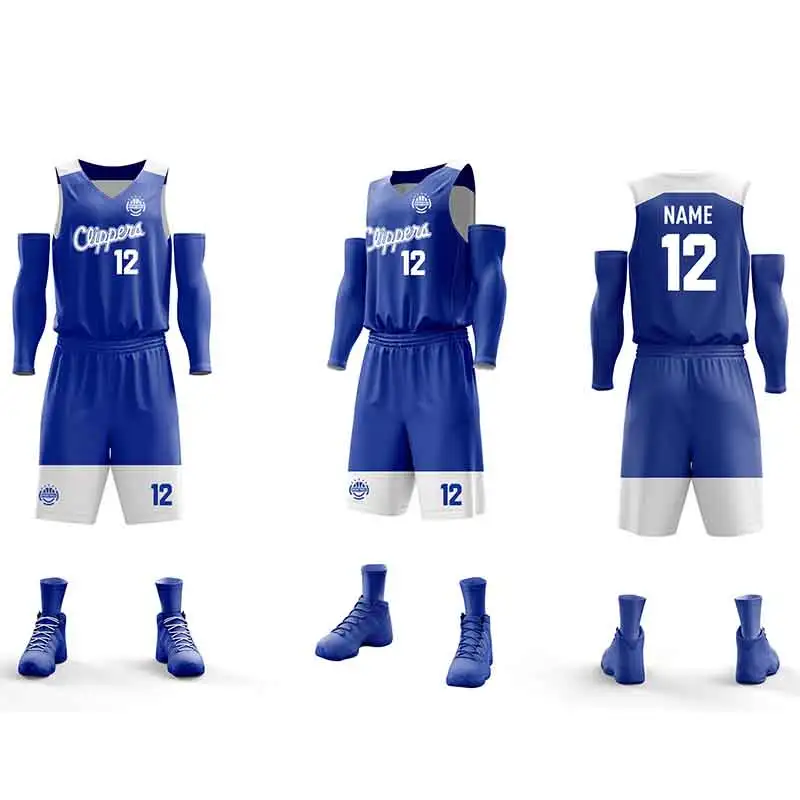
5.1 What Affects the Production Time?
- Customization Complexity: The more complex your custom design (e.g., adding extra patches or intricate embroidery), the longer it will take. A simple Curry 2024 Warriors Jersey will be ready faster than a Kawhi Leonard 2024 Clippers Jersey with multiple patches and custom details.
- Order Volume: If you’re ordering during a busy time (like the start of the NBA season or during holidays), it may take longer due to higher demand.
- Manufacturer Location: If the jersey is made locally, it will likely take less time than one made overseas. Domestic production is usually quicker.
- Shipping Time: After production, shipping time can vary. Domestic shipping takes 2 to 7 days, while international orders may take longer 5 to 10 days if we use air shipping.
5.2 Timeframes for Custom NBA Jerseys:
- Standard Custom Jerseys: These usually take about 7 to 14 days to complete, including design and shipping.
- Premium Custom Jerseys: If you are adding premium features like embroidery or special patches (like a James Harden 2024 Philadelphia 76ers Jersey), it can take 14 to 30 days.
- Bulk Orders: If you’re ordering jerseys for a team or an event, the process could take longer, depending on the number of customizations.
5.3 Expedited Custom NBA Jerseys
If you are in a rush to get your jersey, many stores offer expedited production options that can speed up the process.
This service usually comes with an extra fee, but if you need a jersey quickly (like for a birthday or game day), it is a great option.
- Expedited Production: This can reduce the time it takes to make your jersey to 2 to 5 days, depending on the complexity of your design.
- Expedited Shipping: You can also opt for faster shipping, like next-day or 2-day delivery, especially if you are ordering from a domestic retailer.
5.4 Tips to Speed Up Your Custom NBA Jersey Order
If you want to get your jersey faster, here are some tips to help you.
- Plan Ahead: If you need a jersey for a special event, like a Trae Young 2024 Hawks Jersey for game day, order it well in advance to avoid last-minute delays.
- Choose Simple Customizations: Simple designs (like just a name and number) are usually quicker to produce than ones with extra patches or complex embroidery.
- Look for Expedited Options: Many manufacturers offer faster production and shipping options, so be sure to check these when placing your order.
Making a custom NBA jersey, whether it is a Damian Lillard basketball jersey or a designed custom basketball jersey, involves several steps from choosing the design and customizing it to cutting the fabric, printing the details, and doing quality checks.
It typically takes between 1 to 4 weeks to complete, but for those in a hurry, expedited services can help you get it faster (for an additional cost).

Whether you are getting a jersey to celebrate your favorite player or creating a totally unique design, understanding the production process will help you plan ahead and make sure your custom NBA jersey arrives just in time for your next big competition or event.
Section #6 How Much Does It Cost to Make an NBA Jersey? Breaking Down the Price of Custom and Official Jerseys
Buying an NBA jersey can cost anywhere from a reasonable custom basketball jerseys cheap price to a luxury amount, depending on what kind of jersey you are getting, the materials used, how much customization you want, and where you buy it.
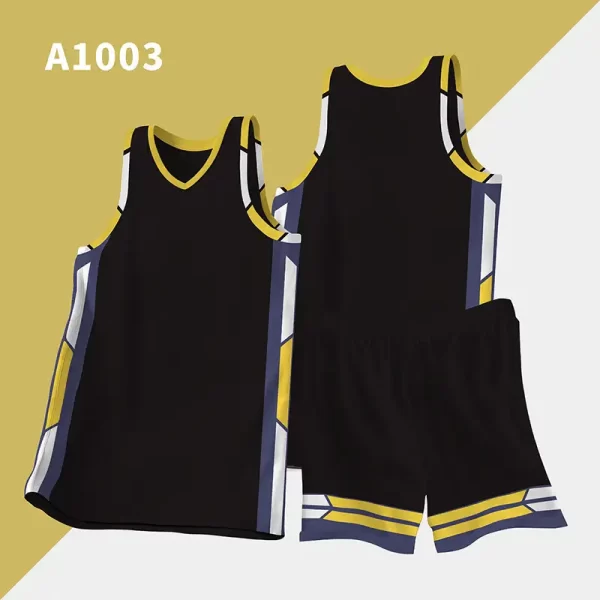
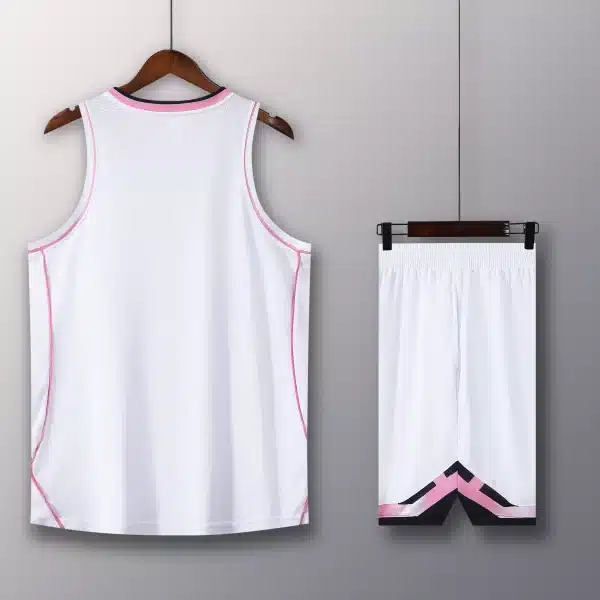
Whether you are looking to grab a Kobe Bryant basketball jersey for game day or design your own custom basketball practice jerseys cheap, understanding what goes into the cost can help you make a smarter choice.
We will break down the costs involved in making an NBA bball jersey, looking at everything from the materials to the manufacturing process, and compare the prices of authentic jerseys, replica jerseys, and custom jerseys.
By the end, you will know exactly what you are paying for when you buy a jersey.
6.1. Raw Materials: Fabric and Components
Every jersey starts with fabric. Most NBA jerseys are made from polyester, a lightweight, durable, and breathable fabric that’s perfect for basketball. High quality fabrics cost more than regular polyester.
Cost of Fabric:
- Standard Polyester: Basic polyester jerseys typically cost between $5 to $10 per meter, depending on the quality.
- Recycled Polyester: Sustainable fabrics cost a bit more – around $8 to $15 per meter.
In addition to polyester, other materials like spandex (for stretch) and nylon (for durability) are sometimes mixed to make the jersey more comfortable and let us make custom basketball jerseys cheap. This can increase a little to the overall cost.
6.2. Labor Costs: Designing and Producing the Jersey
Next up are the labor costs involved in designing and making the jersey. Where the jersey is made can influence this price. For example, manufacturing in places like China or Vietnam is cheaper and we can make custom basketball jerseys cheap, while making jerseys in places like the United States or Europe tends to cost more.
Designing the Jersey:
- Simple Designs: Jerseys with just a basic team logo and player name, like a Kawhi Leonard 2024 Clippers Jersey, are cheaper to make because they require less effort.
- Custom Designs: If you’re getting a custom jersey, say a Luka Dončić 2024 Mavericks Jersey with custom patches or embroidery, it will cost more. Custom designs can add anywhere from $10 to $50 to the cost, depending on the complexity.
6.3. Manufacturing Process: Printing, Embroidery, and Assembly
The process of making an NBA jersey involves printing, embroidery, and assembly, all of which can add to the cost.
Screen Printing vs. Embroidery:
- Screen Printing: This is the most affordable method for adding player names and numbers to jerseys. For example, a Trae Young 2024 Hawks Jersey might use screen printing, which costs around $5 to $15 per jersey, depending on the design.
- Embroidery: Embroidered jerseys, like a Jimmy Butler 2024 Heat Jersey with embroidered logos or numbers, cost more. This method takes longer and requires special equipment, adding $20 to $50 to the price.
Assembly Costs:
- Once all the printing or embroidery is done, the jersey is stitched together. The labor involved in assembling the jersey costs about $5 to $15, depending on the design.
6.4. Packaging and Shipping
Once the jerseys are ready, they need to be packaged and shipped. Packaging can range from basic plastic to custom packaging, and shipping costs depend on whether the jersey is shipped within the country or internationally.
Packaging Costs:
- Basic packaging typically costs around $1 to $3 per jersey.
Shipping Costs:
- Domestic Shipping: For a single NBA jersey, expect to pay around $5 to $10 for shipping within the country.
- International Shipping: Shipping overseas can cost anywhere from $15 to $30, depending on where it is going.
6.5. The Cost of Official NBA Jerseys (Authentic vs. Replica)
There are two main types of NBA jerseys: authentic (the same ones worn by players during basketball matches) and replica (fan versions).
The cost difference comes down to the quality of materials and the production process.
Authentic NBA Jerseys:
- Authentic Jerseys: Jerseys like the LeBron James 2024 Lakers Jersey or Giannis Antetokounmpo 2024 Bucks Jersey are made with premium fabrics like Vaporknit and have all the player-specific details (the actual player number and custom details). These typically range from $100 to $200.
Replica NBA Jerseys:
- Replica Jerseys: These jerseys are designed for fans, and while they still feature the team logo and player name, they don’t have high-end materials or stitching. A replica Stephen Curry 2024 Warriors Jersey might cost anywhere from $50 to $100.
Custom NBA Jerseys:
- Custom NBA jerseys, like a Zion Williamson 2024 Pelicans Jersey, typically cost between $80 and $120 for basic customizations. Adding stuff like special graphics or embroidery can increase the price by $10 to $50. If you want to make custom basketball jerseys at cheap prices, countries like China, Vietnam, or other Southeast Asia countries could be a good choice.
6.6. Additional Costs: Licensing Fees and Retail Markups
There are also some additional costs that factor into the price of an NBA jersey, like licensing fees and retail markups.
Licensing Fees:
- The NBA and its teams charge fees to use their logos, player names, and other branding. These fees are built into the price of the jersey and can range from $10 to $30, depending on the team and player.
Retail Markup:
- Retailers usually mark up NBA jerseys to cover costs and make a profit. The markup can range from 20% to 50% of the production cost.
Making an NBA jersey involves several costs, from fabric to labor to customization. On average, the production cost of an NBA jersey can range from $50 to $150 for standard jerseys, with authentic jerseys priced between $100 and $200.
Customizing a jersey, whether it’s adding a name, number, or special requirements, can add anywhere from $10 to $50 to the total cost.
Understanding how all these factors come together will help you decide whether to go for an affordable replica jersey or invest in an authentic one. Custom jerseys let you get creative, but they come with their own price tag. For further information, please refer to this page to know more about How Do We Choose A Custom USA Basketball Team Jersey Maker?
